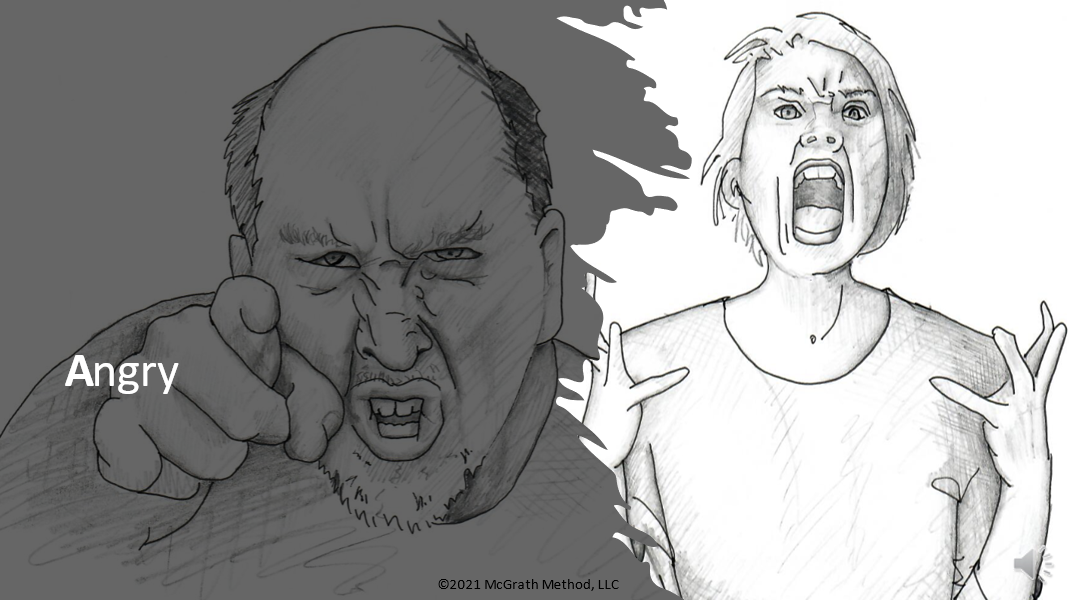
For our survival, continued evolution, and fulfillment of our highest purpose, it is imperative that we learn to understand, guide, and constructively use our primal emotional reactions—particularly our LOADed Emotions: Loneliness, Overwhelm, Anger, and Depression.
When emotions drive reactive behavior without the guidance of higher thought and logic, we can sink into despair. Yet, when we integrate emotions with reflection, reason, and conscious choice, they can become a source of transcendence and growth. Emotions carry valuable information; how we interpret and use them can lead us toward destructive reactions or constructive action. It is our will and decisive actions which determines positive or negative energy is released.
From Emotional LOAD to Higher Thought
Five Steps for Understanding and Guiding Your Emotions
1. Become aware.
Recognize that we have the ability to influence our emotional responses and use our emotions for improvement and growth.
“The only one or thing we truly need to control is ourselves.”
-LaVerne McGrath
2. Feed what you want to grow.
Repeatedly reliving or retelling a triggering story can keep the emotion active and intensify it. Pause, breathe, and give yourself 90 seconds before responding—as a practice, rather than a deadline for the feeling to disappear. Direct your attention toward the understanding and response you want to strengthen.
“Emotions feed behaviors - whether positive or negative makes no difference. ”
-LaVerne McGrath
3. Name the emotion.
Naming or rather labeling an emotion or combinations of which is being experienced helps to understand and purposefully guide our response. By categorizing/separating negative feelings into 4 areas identified in the acronym of LOAD—Loneliness, Overwhelm, Anger, and Depression—provides an easy way to quickly recognize and address volatile emotional states that can spiral into distress. Identifying what we feel helps us choose how to respond.
“If you can't explain it simply, you don't understand it well enough,”
- Albert Einstien
4. Address the message.
Ask yourself, “What is this feeling telling me?” Consider the need, concern, or boundary beneath it. Integrate that information with logic and choose a constructive action. As you explore this concept more along with the information in TaT this understanding may come much clearer you.
“Negatives (emotions, situations, etc. ) can have positive lessons attached to them. “
-LaVerne McGrath
5. Expand your toolbox.
Explore Think about Thinking™ (TaT) activities and concepts to strengthen your ability to manage your emotional LOAD, integrate feelings with higher thought, and respond with greater clarity, purpose, and inner peace. Go to which emotional Load is challenging you the most in this moment in time and explore the various ideas to better help you deal with it.
Our Emotional LOAD